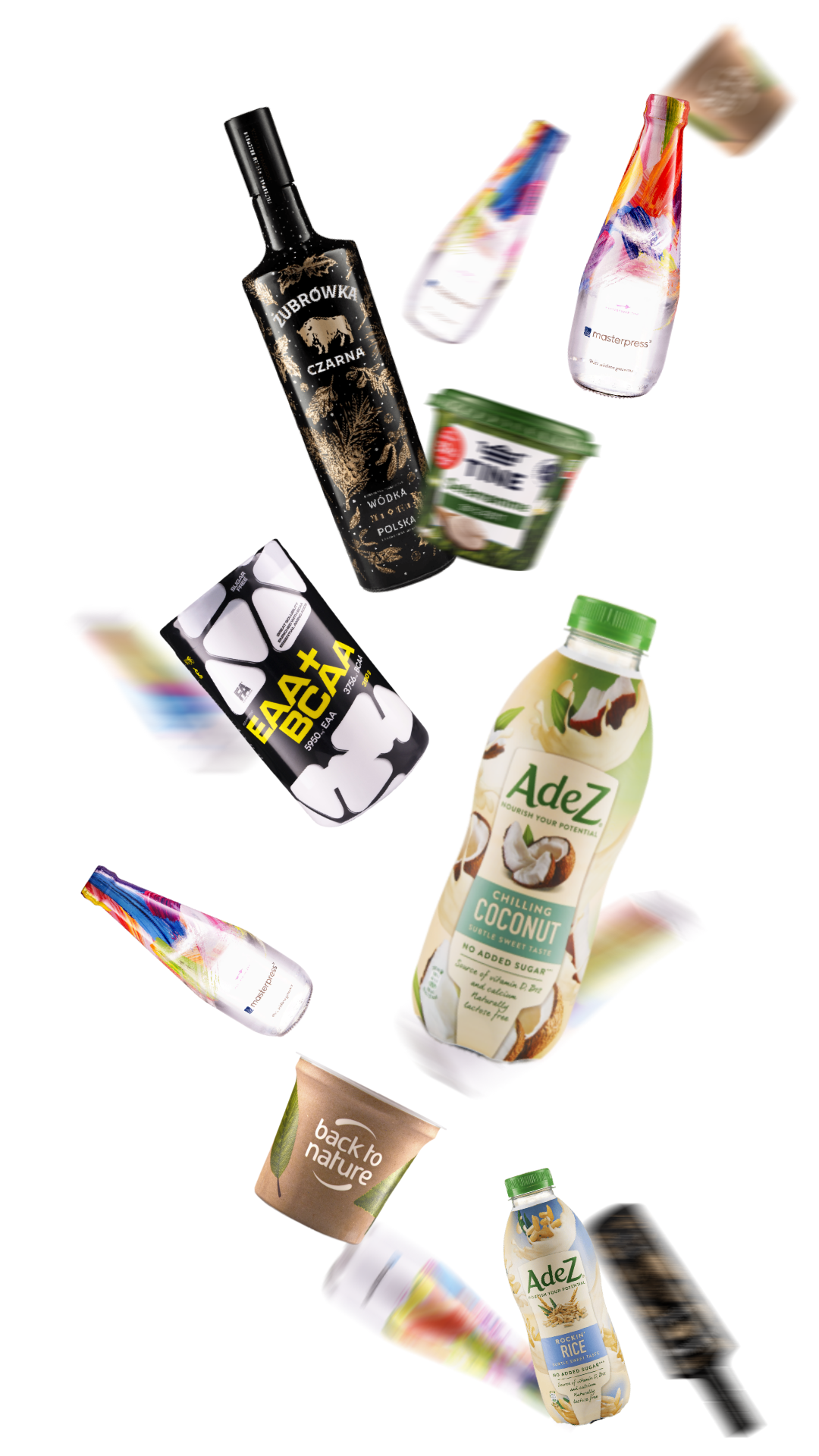


Shrink sleeve labelling is widely used to transform blank packaging into a 360-degree, high impact communication platform, allowing brands to pair striking visual differentiation with essential product details and promotional content. With vivid colours, premium print quality and durable finishes, it delivers strong on-shelf presence while supporting a wide range of communication needs.
Shrink sleeves are customised for each product and brand, ensuring the label not only fits the container perfectly but also reinforces the visual identity and on‑shelf impact. Every element, from film type and material performance to print effects and application method, is selected to support brand’s positioning, production requirements and consumer experience. Advances such as hybrid printing make it possible to achieve more intricate decorative effects, higher print quality and stronger brand protection, all while maintaining efficient application at scale. Material selection is equally important, with options available to provide UV protection and support broader sustainability objectives.
However, the value of shrink sleeves extends beyond their marketing impact. When correctly specified, they contribute to cleaner recycling processes by enabling easier separation and reducing contamination within recyclate streams. This is increasingly important for brand owners as the EU Packaging and Packaging Waste Regulation (PPWR) introduces binding requirements and timelines for ensuring packaging is designed for recycling.
Maximising Recyclability Without Compromising Brand Impact
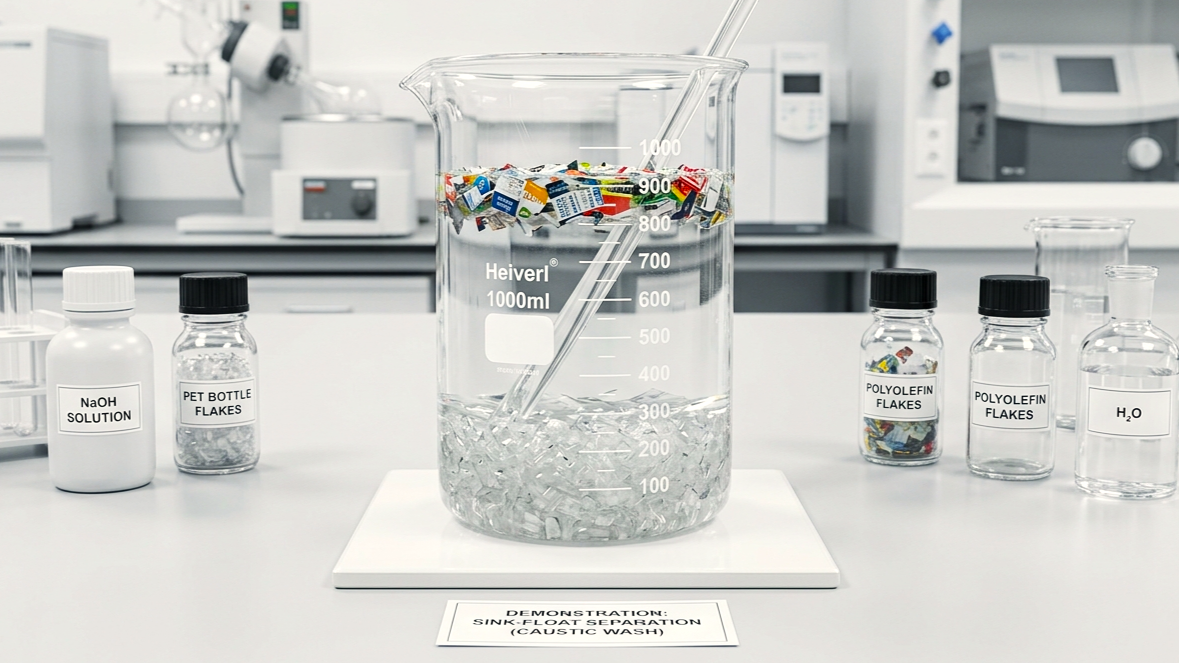
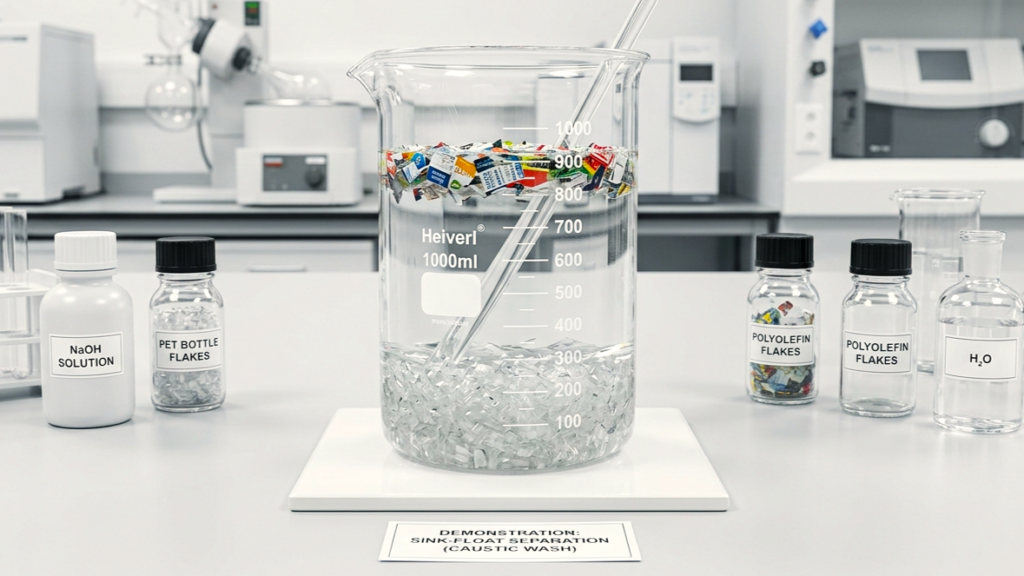
For FMCG manufacturers, design-for-recycling guidelines translate into clear, practical requirements: packaging components must be compatible with existing recycling systems, avoid leaving residues, and allow effective separation during steps such as wind sifting and sink-to-float washing. Shrink sleeves, using the right material, can help manufacturers meet these requirements while maintaining strong packaging performance.
Shrink sleeve labels offer a non-adhesive decorative solution, with all inks and graphics contained on the sleeve itself rather than applied directly to the container by adhesion. This is relevant in recycling environments, as it eliminates glue residues and reduces the risk of ink contamination, helping to achieve higher purity recyclate. Once the sleeve is removed, the underlying packaging remains clean.
However, not all shrink sleeve labels perform equally in recycling systems. Their performance depends on factors such as material choice, print technology and overall design. When the bottle and sleeve are made from the same material, separation becomes ineffective because their densities are too similar potentially increasing contamination.
Achieving effective recyclability requires careful alignment between the shrink sleeve substrate and the container material, ensuring that labels can be accurately identified, separated and removed during sorting and washing stages. Where this alignment is missing, shrink sleeves can negatively impact proper detection, won’t get properly separated or introduce contamination into recyclate streams, ultimately compromising the recyclability of the entire packaging.
Designing With End‑of‑Life in Mind: A Recyclability Imperative for Brands
For brand owners aiming to improve recyclability, the priorities are clear:
Packaging and sleeve material compatibility is essential for effective separation
Shrink sleeves as non-adhesive labelling solutions can support cleaner recycling streams
Design decisions directly influence recyclability and recyclate quality.
Brands committed to delivering packaging that is both marketing‑effective and circular recognise the importance of partnering with an experienced industry supplier. Moreover, by working with experts who are up to date on changing regulations and understand the nuances of materials, technologies and design options, brand owners ensure that every component contributes to both brand impact and end-of-life performance.
This is more than a technical consideration, it’s a commercial, regulatory and brand‑defining responsibility.